
Terrarium Soil Recipe: Mixing Your Own Bioactive Substrate
Bagged "terrarium soil" is often just peat and disappointment. A good mix is four cheap ingredients you can blend yourself.
Published July 15, 2026
Some links below are affiliate links. We may earn a commission from qualifying purchases at no extra cost to you. Read our disclosure.
Substrate is the engine room of a bioactive terrarium: it holds moisture, feeds plants, and houses your clean-up crew. A good mix drains freely, resists compaction, and won't go sour. You can buy it pre-made, but mixing your own is cheaper and lets you tune it to your setup.
The four core ingredients
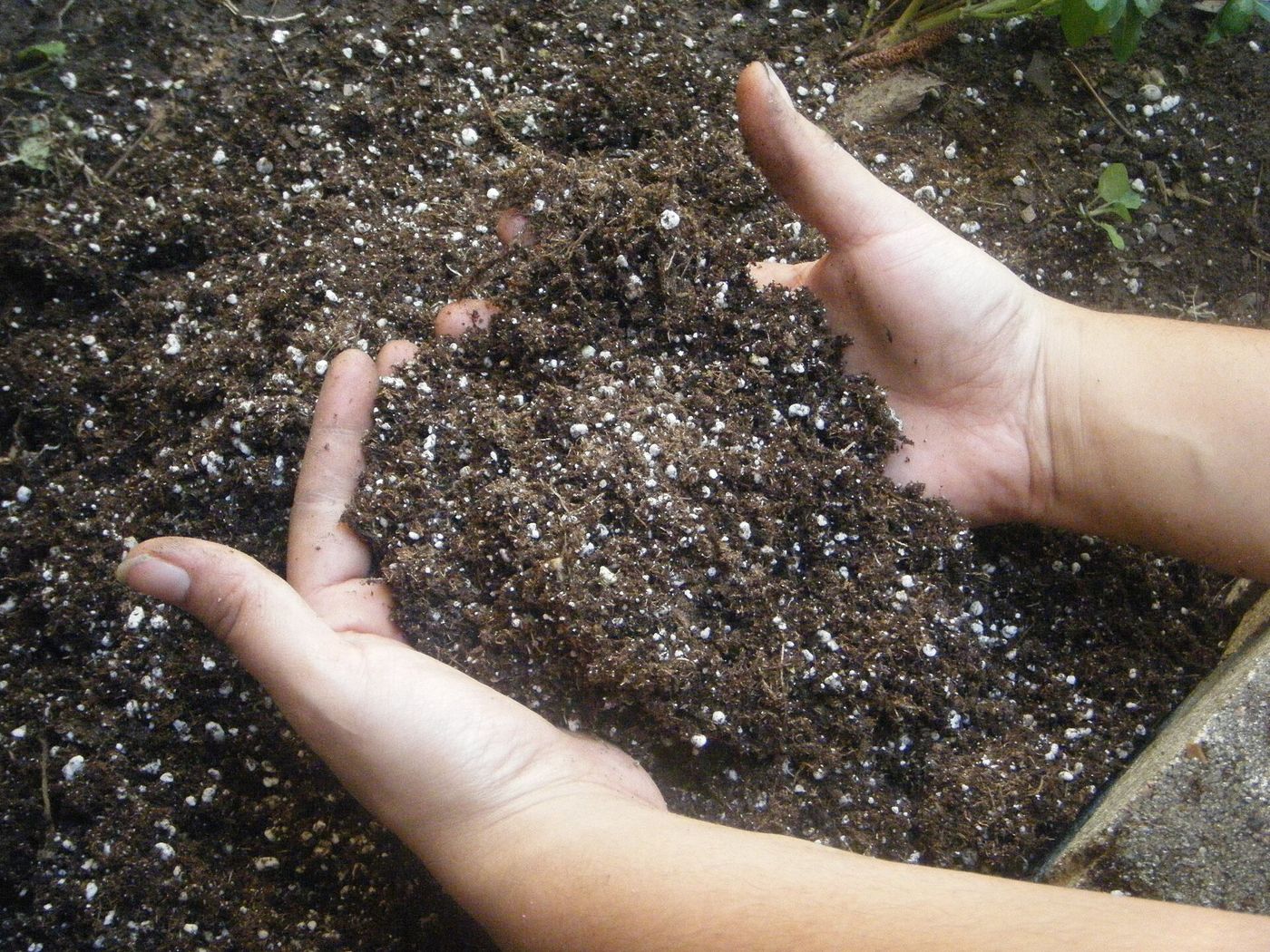
A reliable tropical bioactive mix is built from four cheap components: coco coir (moisture-holding base), orchid bark (structure and air pockets), sphagnum moss (moisture buffer), and horticultural charcoal (keeps it fresh). Everything else is a variation on these.
See coco coir, bark & charcoal on Amazon →
A starting ratio
A solid all-rounder for tropical setups: about 2 parts coco coir, 1 part orchid bark, 1 part sphagnum, and a handful of charcoal per few liters. Wetter species that need heavy humidity can push more sphagnum; setups that need to dry between mistings want more bark for drainage. Compare against what your substrate guide recommends for your animal.
Add drainage and grit
For enclosures that get misted daily, a little more bark or some fine gravel keeps the mix from packing down into an airless, soggy block. This pairs with the drainage layer beneath it — soil breathes on top, water drains below.
What to leave out
Skip garden soil (weed seeds, pests, compaction), anything with added fertilizer or moisture crystals (can harm animals), and fine dust-only peat that compacts into mud. If you want a nutrient boost for heavy plantings, a thin layer of worm castings mixed in is animal-safe.
Mixing and prepping
Hydrate the coco coir, combine everything in a tub, and moisten to "wrung-out sponge" — damp, not dripping. Let it sit a day or two before adding a clean-up crew so it settles. Seed springtails and isopods a couple of weeks ahead of any animal so the substrate is already alive.
Species and plant needs vary — check a current care sheet for your specific animal or plant before finalizing a setup.