
Bioactive Drainage Layer & Leaf Litter Buying Guide
Everyone photographs the plants and the frog. Nobody photographs the bottom two inches — but that's the part deciding whether the rest lives.
Published July 12, 2026
Some links below are affiliate links. We may earn a commission from qualifying purchases at no extra cost to you. Read our disclosure.
A bioactive enclosure is a layered system: drainage at the bottom, a barrier above it, substrate on top of that, and leaf litter as the roof over the whole soil ecosystem. Each layer is cheap on its own — this guide covers what to buy for each one, and what you can safely skip. If you're new to the concept, start with our bioactive terrarium 101 first.
Drainage media: LECA, lava rock or matting
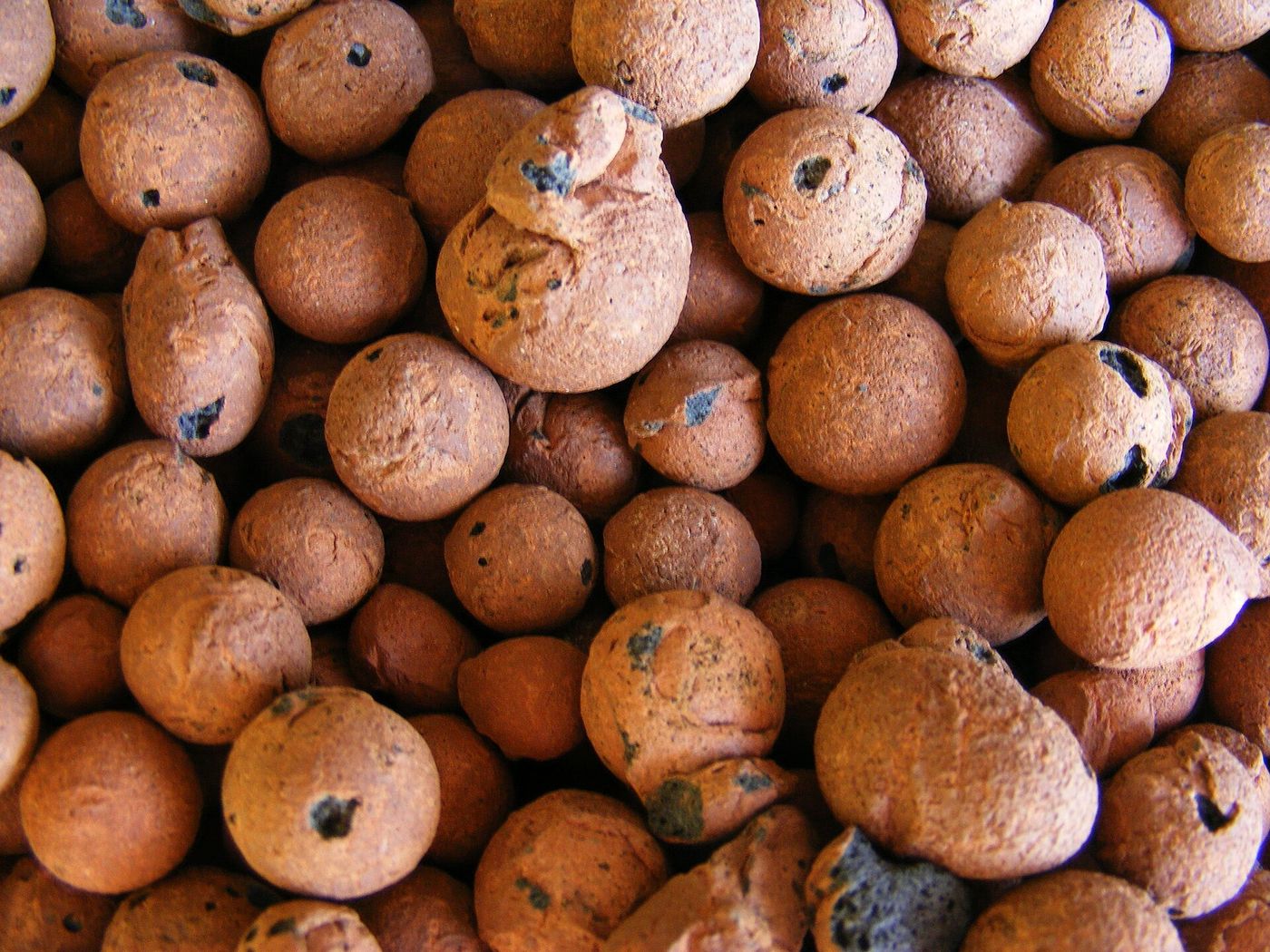
Daily misting has to go somewhere, and a 2–5 cm drainage layer keeps that excess water away from plant roots and soil. Expanded clay balls (LECA) are the standard: light, reusable, and rinseable. Lava rock is cheaper per liter but much heavier — it matters in a large build. Rigid drainage matting (an open plastic lattice) weighs almost nothing and suits builds where every kilogram counts, like rack systems. Arid setups can skip this layer entirely.
See LECA & drainage media on Amazon →Substrate barrier: the mesh that keeps layers apart
Between drainage and soil goes a fine mesh — without it, substrate washes down into the drainage layer within weeks and you lose both the reservoir and the clean look. Purpose-cut substrate barrier is sold by the roll; fiberglass window screen from any hardware store does the same job for less. Either way, cut it oversized so it climbs a little up the glass at the edges.
See substrate barrier mesh on Amazon →Leaf litter: food, cover and humidity in one
Leaf litter is not decoration — it's the primary food source for your clean-up crew, humidity buffer for the soil surface, and cover for shy microfauna and froglets. Oak and magnolia are the hobby standards; sea grape leaves are thicker and last longer in very wet vivariums. Buy leaves sold for terrarium or aquarium use rather than collecting near roads or treated lawns, and top the layer up every month or two as it breaks down — disappearing litter means the system is working.
See leaf litter on Amazon →Sphagnum moss: the humidity sponge
Long-fiber sphagnum holds many times its weight in water and releases it slowly. A handful mixed into substrate raises moisture retention; a layer inside a hide makes a humid retreat for shedding animals; a top-dressing around plants keeps their root zone damp between mistings. New Zealand sphagnum costs more than Chilean but is cleaner and lasts longer before breaking down.
See sphagnum moss on Amazon →Clean-up crew cultures: buy once, feed forever
A starter culture of springtails and a small colony of dwarf white or powder isopods is the living part of the purchase list. Seed them a couple of weeks before the animal moves in so the population establishes first. Species choice matters for humidity level and tank-mate safety — our clean-up crew guide breaks down which isopod suits which setup.
See live cultures on Amazon →Putting the layers together
From the glass up: 2–5 cm of drainage media, mesh barrier, 7–10 cm of bioactive substrate (see our substrate guide for the mix itself), then a full covering of leaf litter. Keep an eye on the water level in the drainage layer — if it ever reaches the mesh, siphon some out. That's the entire maintenance routine for the bottom half of the enclosure.
Layer depths vary with enclosure size and species — a 90 cm dart frog vivarium and a 20 cm plant-only jar don't need the same foundation. When in doubt, deeper substrate and thinner drainage beats the reverse.