
Isopods & Springtails: The Clean-Up Crew Every Terrarium Needs
The microfauna that turns a substrate into a working ecosystem.
Published July 8, 2026
Some links below are affiliate links. We may earn a commission from qualifying purchases at no extra cost to you. Read our disclosure.
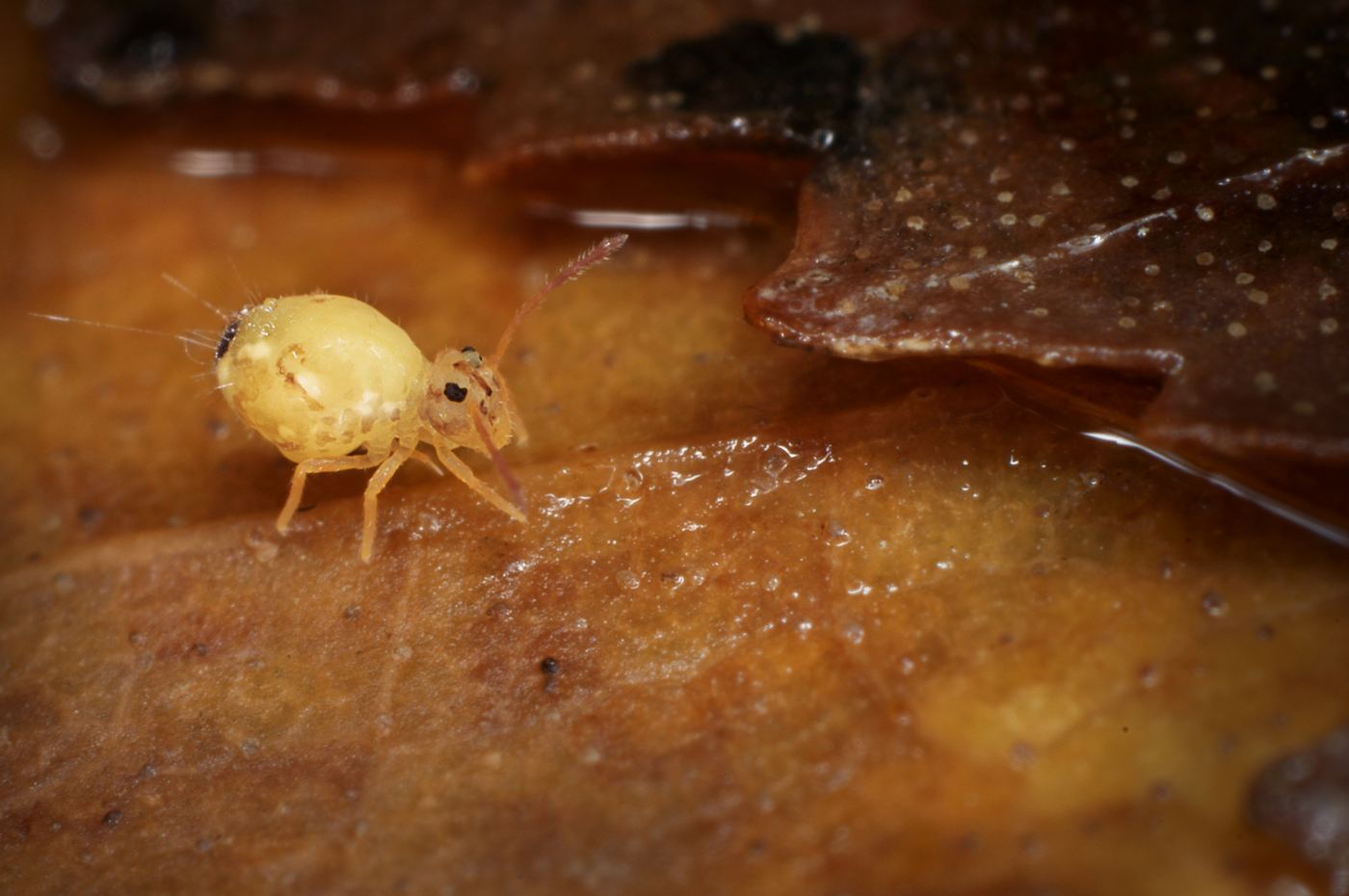
Isopods (small terrestrial crustaceans, sometimes called roly-polies) and springtails (tiny soil-dwelling hexapods) are the two organisms that make a terrarium "bioactive." They eat waste, shed skin, mold and decaying plant matter, converting it into substrate nutrients instead of letting it build up and sour the enclosure.
What each one actually does
Isopods handle the bigger cleanup jobs — leftover feeder insects, larger waste, decaying leaf litter. Springtails work at a smaller scale, controlling mold and fungus gnats and processing finer organic material. Most bioactive builds use both together rather than either one alone.
Pick species for your climate, not the other way around
Powder orange and dwarf white isopods tolerate humid, tropical setups well. Species like Porcellio scaber handle drier, more ventilated arid builds better. Buying isopods before deciding on substrate and humidity is a common ordering mistake — match the species to the build described in our bioactive terrarium guide.
See isopod & springtail starter cultures on Amazon →Give the colony time before adding an animal
A newly seeded culture needs several weeks to establish a stable breeding population. Adding a full-sized animal too early means more waste than the crew can process, which defeats the purpose. Watch for visibly increasing numbers, especially juveniles, before considering the colony established.
Feeding the crew directly
Isopods and springtails also benefit from occasional direct feeding — fish flakes, powdered calcium, or vegetable scraps — especially in a newer tank where waste from the main animal isn't yet plentiful. This keeps the colony growing during the establishment period described above.
Species needs vary — always check the specific isopod or springtail species you're buying against your enclosure's humidity and ventilation before ordering.