
Best Plants for a Tropical Bioactive Terrarium
Plants that tolerate low light and constant humidity, without rotting out in a few weeks.
Published July 8, 2026
Some links below are affiliate links. We may earn a commission from qualifying purchases at no extra cost to you. Read our disclosure.
A terrarium's constant humidity and comparatively low light kill a lot of ordinary houseplants within weeks. The plants that actually work long-term tend to come from rainforest understories, where those exact conditions are normal.
Reliable low-light, high-humidity plants
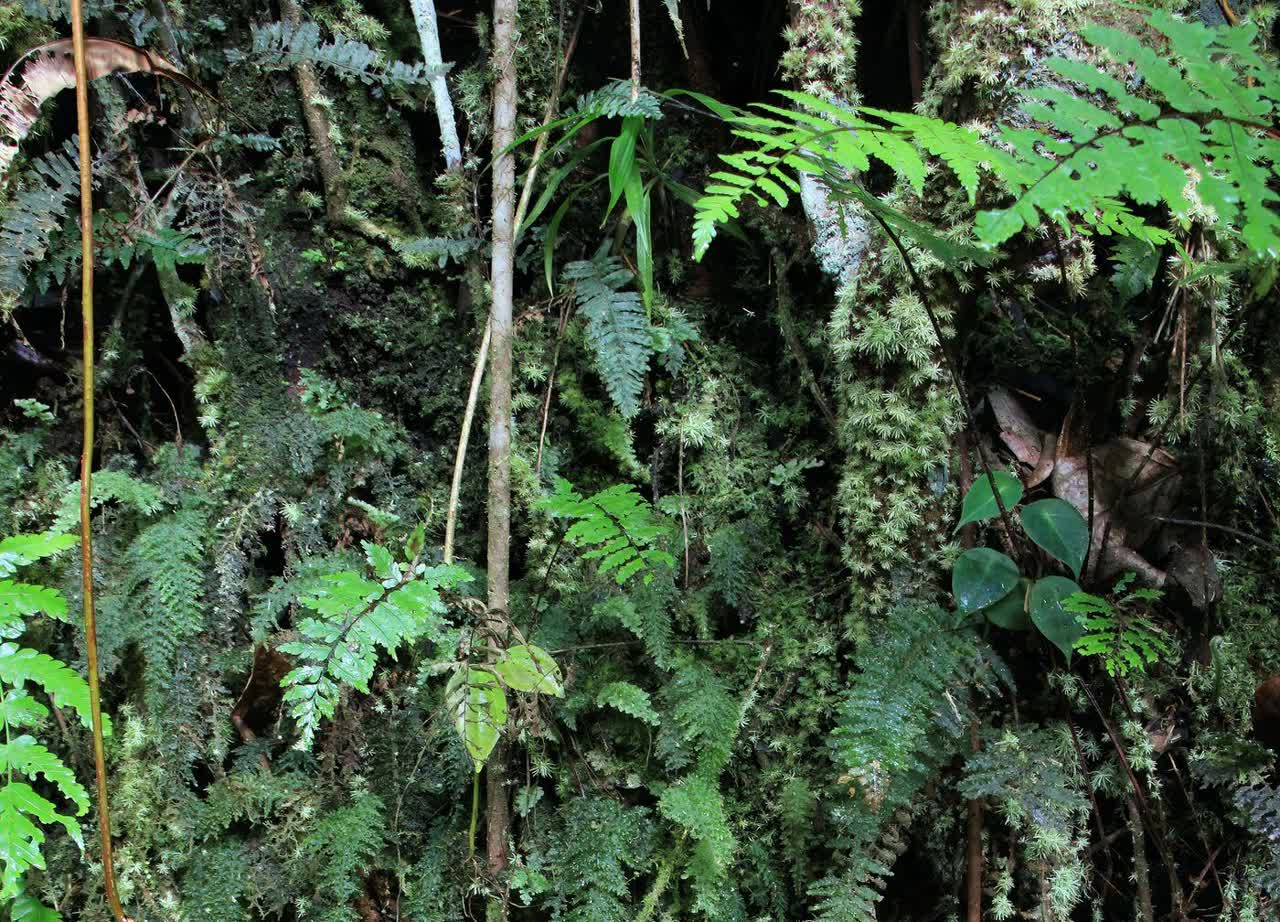
Pothos, creeping fig, pilea, and various peperomia species are common starting points — they tolerate the low light many terrariums get and don't mind constant moisture at the roots as long as drainage is adequate (see our bioactive terrarium guide for the drainage layer setup). Java fern and various mosses fill in ground cover well.
Moss for ground cover and moisture buffering
Sheet moss and java moss both spread over substrate and hardscape, holding surface moisture and giving isopods and springtails cover near the top layer where they're most active. Moss is also one of the more forgiving plants to establish under artificial lighting.
See terrarium plant kits on Amazon →Plants that tend to fail in closed terrariums
Most succulents and cacti are adapted to dry, well-drained conditions and generally rot in high-humidity, closed terrariums — they belong in arid, open-top setups instead. Flowering houseplants bred for bright, direct light also tend to decline under typical terrarium lighting levels.
Check for pesticide residue before planting
Plants from general garden centers are sometimes treated with pesticides that can harm isopods, springtails or the animal itself. Terrarium-specific or "pet-safe" labeled plants, or a thorough rinse and quarantine period, reduce this risk.
Always double-check that a plant is non-toxic for your specific species before adding it — toxicity varies between reptiles, amphibians and invertebrates.