
Leopard Gecko Enclosure Guide: What Size and Setup They Actually Need
Sold as the easiest first reptile — but enclosure size and heat gradient are where most beginners still get it wrong.
Published July 8, 2026
Some links below are affiliate links. We may earn a commission from qualifying purchases at no extra cost to you. Read our disclosure.
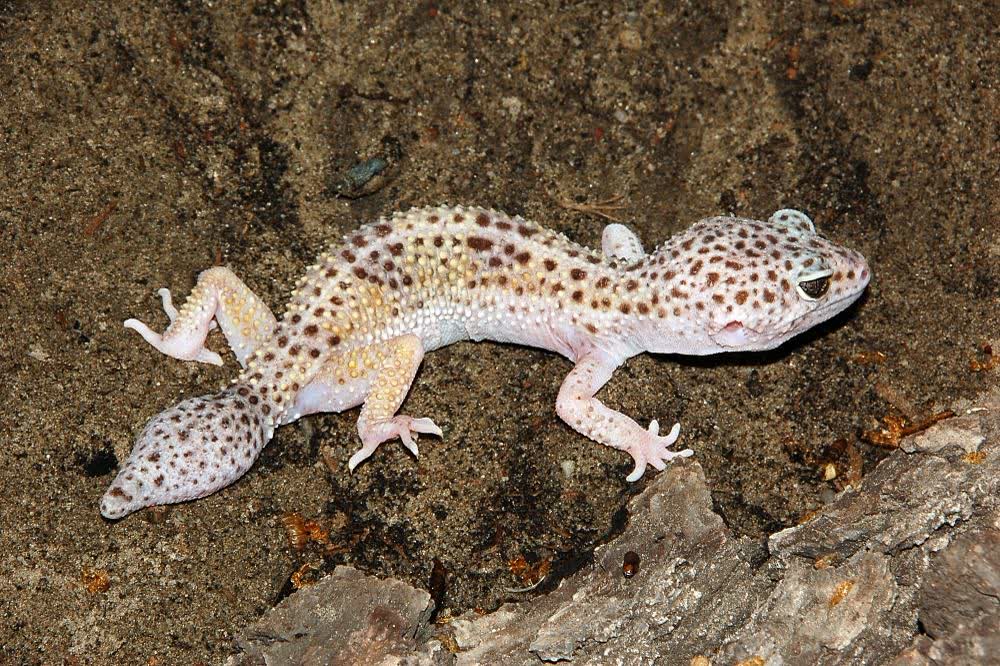
Leopard geckos are one of the most commonly recommended starter reptiles, and for good reason — they're hardy, don't need daily misting like a chameleon, and tolerate a wider husbandry margin than most lizards. That reputation for being "easy" is also why so many end up in undersized starter kits that work for a hatchling but not for an adult.
Floor space, not height
Unlike chameleons or arboreal geckos, leopard geckos are strictly ground-dwelling and don't use vertical space. A 20-gallon long tank (30 × 12 in floor space) is the minimum for one adult; a 36 × 18 in enclosure gives noticeably more room to establish separate warm and cool zones. Tall, narrow tanks marketed for "reptiles" generally waste space a leopard gecko can't use.
A real thermal gradient, not just a heat mat
Leopard geckos regulate their body temperature by moving between a warm side (around 88-92°F / 31-33°C at the basking spot) and a cool side (around 75°F / 24°C). An under-tank heat mat on one side only, controlled by a thermostat, is the standard setup — heat mats without a thermostat are a common cause of burns and overheating.
See thermostats on Amazon →Substrate: what to avoid matters more than what to use
Loose sand is still widely sold for leopard geckos despite being linked to impaction risk in younger animals. Reptile carpet, paper towel, or fine soil-based bioactive mixes are the safer default. See our substrate guide for a full breakdown by species.
Hides on both the warm and cool side
A leopard gecko needs at least two hides — one on the warm side, one on the cool side — so it never has to choose between feeling secure and thermoregulating. A humid hide packed with damp sphagnum moss also helps during shedding.
Low humidity, but not zero
Leopard geckos come from arid, rocky habitats, so overall enclosure humidity should stay low (30-40%) — high ambient humidity in an unventilated tank is a common cause of respiratory issues. The humid hide handles shedding without raising humidity everywhere else.
This is a general overview, not species-specific veterinary advice. Cross-check with a current leopard gecko care sheet or reptile vet before buying, and see our common terrarium mistakes guide for setup pitfalls that apply across species.