
Dart Frog Vivarium Setup Guide for Beginners
Poison dart frogs are bred without toxins in captivity, but their vivarium needs are stricter than almost any reptile's.
Published July 8, 2026
Some links below are affiliate links. We may earn a commission from qualifying purchases at no extra cost to you. Read our disclosure.
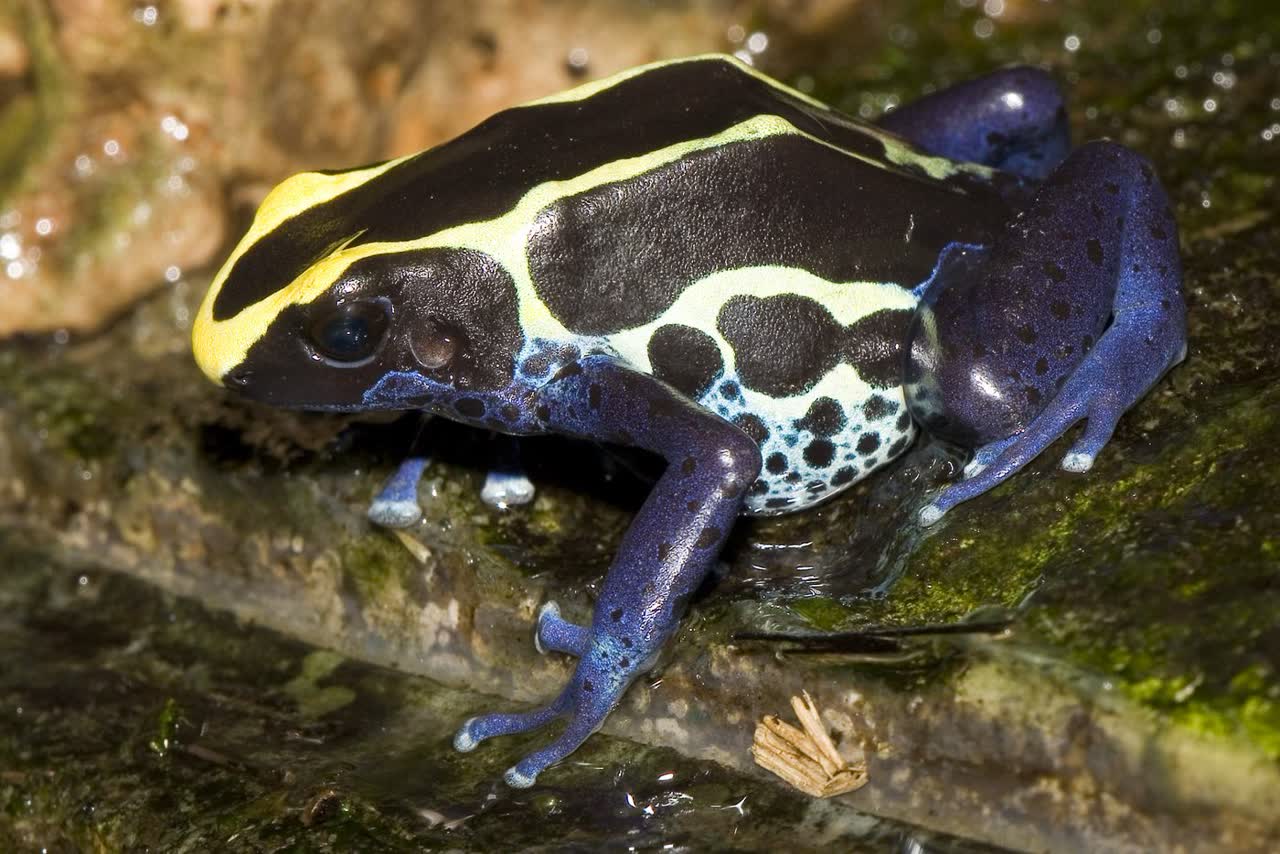
Captive-bred dart frogs lose their toxicity because it comes from their wild diet, not their own biology — so they're safe to keep and handle minimally. What doesn't change is that they're small, thin-skinned rainforest amphibians that dehydrate fast, which makes the vivarium build itself the hard part of keeping them.
Bioactive is close to mandatory
Almost every dart frog vivarium is run bioactive: a drainage layer, substrate barrier, live soil, isopods and springtails to process waste, and dense live planting. Standing waste in a non-bioactive setup builds up fast in a constantly humid, warm enclosure. Start with our bioactive terrarium 101 guide if this is your first bioactive build.
Front-opening glass, not mesh
Unlike chameleons, dart frogs need humidity to stay high and stable, so vivariums are usually sealed glass with minimal top ventilation rather than mesh-sided. A 18×18×24 in front-opening terrarium is a common starting size for a small group of one species.
Automated misting earns its cost here
Because humidity needs to stay high around the clock, many keepers move to an automated misting system faster than they would for a reptile. Compare the options in our misting vs. fogging guide.
See misting systems on Amazon →Never handle with bare hands over tap water residue
Dart frogs absorb chemicals through their skin, so hands should be rinsed of soap, lotion and chlorinated tap water residue before any contact, and handling should be kept to a minimum regardless. Most day-to-day interaction is watching, not touching.
This is a general overview, not species-specific care. Requirements vary between dart frog species — cross-check with a current care sheet before buying, and see our plant guide for species that tolerate constant high humidity.