
Glass vs PVC Terrarium: Which Should You Buy?
Two materials, two different sets of trade-offs — and the right one depends more on your species than your budget.
Published July 8, 2026
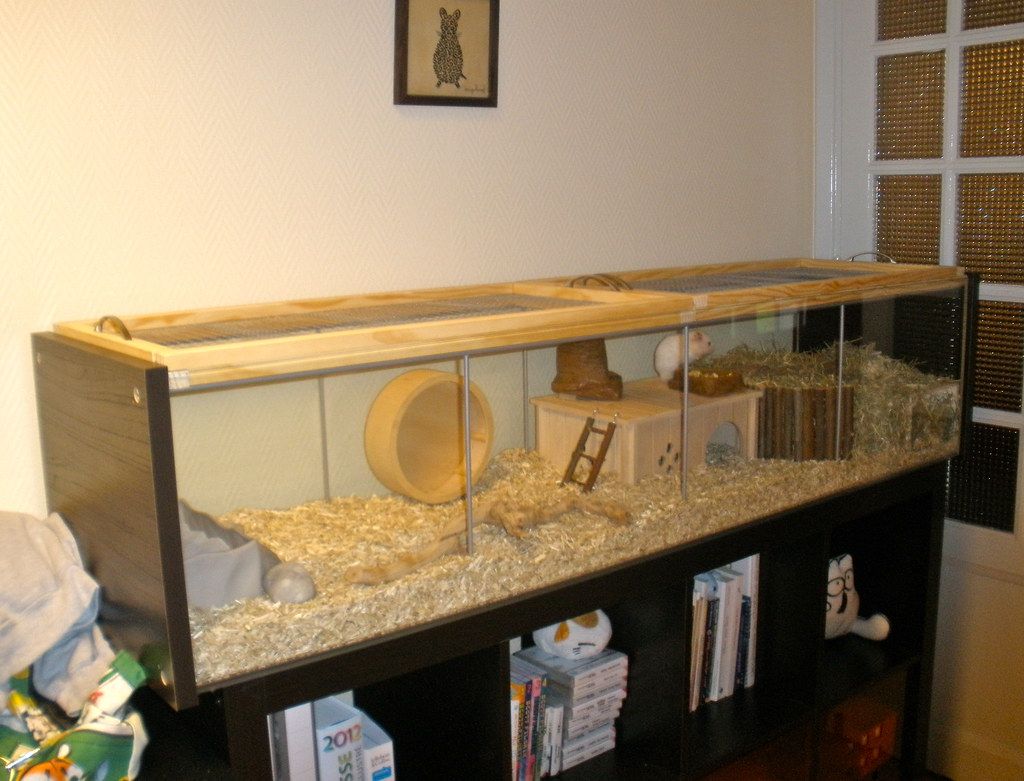
Some links below are affiliate links. We may earn a commission from qualifying purchases at no extra cost to you. Read our disclosure.
Glass and PVC enclosures look similar on a store shelf but behave differently once an animal, substrate and lighting are inside. Neither is universally "better" — the right choice depends on what your species actually needs from heat retention, humidity and visibility.
Weight and portability
Glass is significantly heavier than PVC at the same dimensions, which matters for larger enclosures on shelving, and glass edges are more prone to chipping or cracking during moves. PVC panels are lighter and more impact-resistant, which is worth factoring in for bigger builds or if the enclosure will be relocated occasionally.
See PVC terrariums on Amazon →Humidity and insulation
PVC insulates heat and humidity more effectively than glass, which loses warmth faster and can show more condensation. For tropical or bioactive builds where stable humidity matters, PVC often needs less supplemental heating to hold the same temperature — see our heating guide for how that plays out with different heat sources.
Visibility vs a sense of security
Glass gives a full, undistorted view from every side, which most keepers prefer for daily observation. PVC enclosures typically have opaque or partially opaque side and back panels, which can help skittish or newly acquired animals feel more secure by reducing perceived exposure — a meaningful factor for naturally shy species.
Cost and long-term durability
Entry-level glass tanks are usually cheaper upfront, but PVC enclosures tend to hold up better over years of exposure to humidity and cleaning, without the risk of silicone seals degrading. For a bioactive setup expected to run for years, the higher upfront PVC cost often evens out against replacing a glass tank's seals or hardware over time.
Which to choose by species type
Tropical, humidity-dependent species (dart frogs, many geckos) often do well in PVC for the insulation benefit. Arid species that need strong airflow and lower humidity (many leopard geckos, some snakes) do fine in either, so visibility and cost usually decide it. Species that benefit from full-mesh sides, like chameleons, generally need neither glass nor solid PVC as their primary enclosure material — see our chameleon care guide for why.
This is a general material comparison — always check the specific ventilation and humidity needs of your species before choosing an enclosure type.