
Terrarium Feeding Supplies: Tongs, Dishes & Supplement Basics
Enclosure gear gets all the attention, but the small tools you use on feeding day decide how smooth — and how nutritious — every meal actually is.
Published July 11, 2026
Some links below are affiliate links. We may earn a commission from qualifying purchases at no extra cost to you. Read our disclosure.
Feeding an insect-eating reptile or amphibian involves more decisions than it first appears: how the feeder gets into the enclosure, whether it escapes into the substrate, and what nutrition it's actually carrying when it's eaten. A handful of inexpensive tools handles all three.
Feeding tongs: the first thing to buy
Long stainless or soft-tipped tongs keep your fingers out of strike range, stop the animal from associating your hand with food, and let you place a feeder exactly where a shy or slow animal will find it. Go for 10–15 inches — long enough that an enthusiastic strike lands on steel, not skin. Soft silicone tips are worth it for species that lunge, like many tree frogs and geckos.
See feeding tongs on Amazon →Escape-proof feeding dishes
Mealworms and dubia roaches disappear into substrate within minutes — which in a bioactive setup means you just fed your clean-up crew instead of your pet. A smooth-walled dish with an inward lip keeps worms where they're visible. For arboreal species like crested geckos, a magnetic wall-mounted ledge puts the dish at the height where the animal actually lives.
See feeding dishes & ledges on Amazon →Calcium and vitamin dusts
Feeder insects are calcium-poor on their own, which is why metabolic bone disease remains one of the most common — and most preventable — problems in insect-eating pets. The standard routine is dusting feeders with calcium powder at most feedings and a multivitamin on a schedule. Whether your calcium should include D3 depends on your lighting: animals under proper UVB make their own D3, animals without it need dietary D3 to absorb calcium at all. Our lighting guide covers the UVB side of that equation.
See calcium & vitamin supplements on Amazon →Gut-loading: feed the feeders first
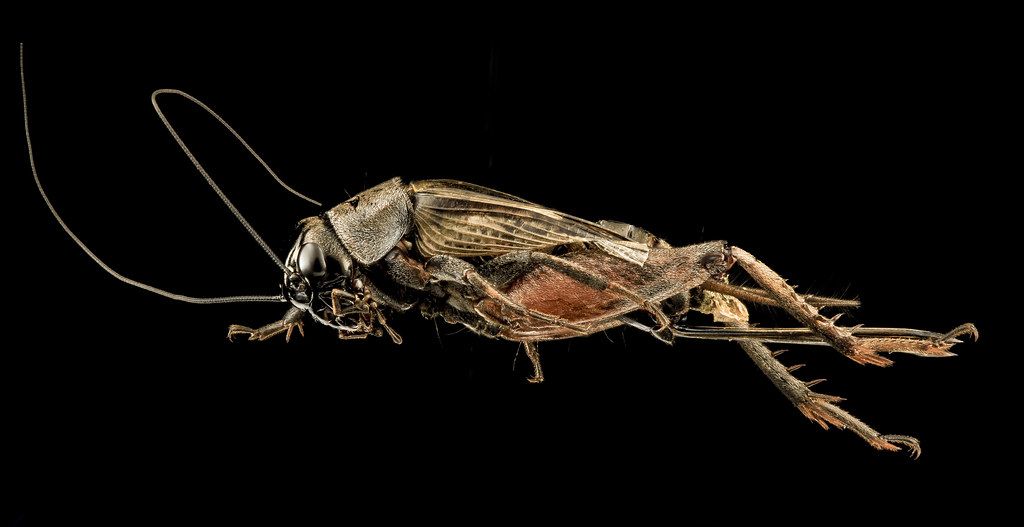
A cricket is only as nutritious as what it ate in the last day or two. Keeping feeders in a ventilated cricket keeper with a commercial gut-load diet and a water source for 24–48 hours before feeding turns an empty shell into a real meal — and the keeper's tubes make grabbing individual crickets dramatically less chaotic.
See cricket keepers & gut load on Amazon →Water: dishes and drippers
Ground-dwellers use a shallow, stable water dish — wide enough to soak in, shallow enough that a soaked animal can always get out. Many arboreal species barely recognize standing water and drink droplets off leaves instead, which a misting routine or a slow dripper provides; see our humidity guide for keeping those droplets coming without soaking the enclosure.
A simple feeding-day routine
Gut-load feeders the day before. On feeding day: shake feeders and dust in a cup, offer by tongs or dish, and remove uneaten insects afterward — loose crickets stress sleeping animals and can nibble on them overnight. New animal not eating yet? That's normal during settling-in; our quarantine guide covers what to expect in the first weeks.
Feeder size, schedule and supplement ratios vary by species and age — check a current care sheet for your animal before settling on a routine.