
Terrarium Backgrounds & Cork Bark Buying Guide
A bare glass box gives an animal a floor and nothing else. Backgrounds and cork bark turn three empty walls into the part of the enclosure your animal actually uses.
Published July 15, 2026
Some links below are affiliate links. We may earn a commission from qualifying purchases at no extra cost to you. Read our disclosure.
Vertical surface is free real estate. An arboreal gecko or a climbing frog spends most of its life off the floor, and even ground-dwellers use height for basking and cover. This guide covers the three ways to build that surface — cork bark, premade backgrounds, and DIY foam — and how to attach it all without trapping yourself.
Cork bark: the hobby's default hardscape
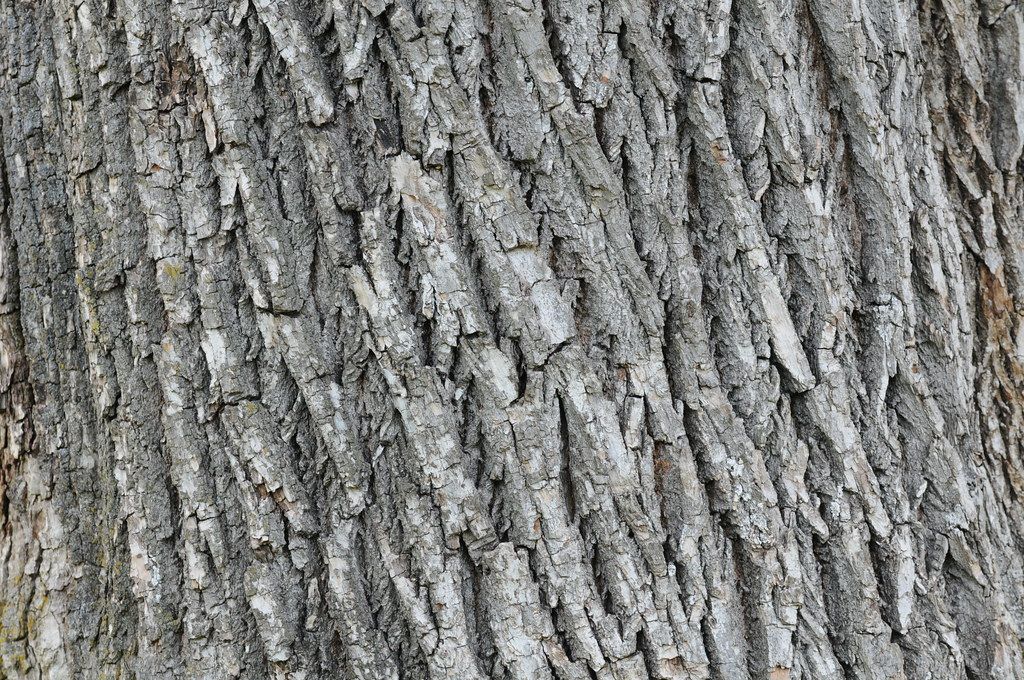
Cork is popular for good reasons: it's light, it resists rot in humid enclosures, and its bark texture gives geckos and frogs something to grip. Flats (curved slabs) lean against the back wall as instant ledges and hides; rounds (hollow tubes) stand up as climbing columns or lie down as tunnels. Buy more than you think you need — cork is the piece you rearrange most while you settle on a layout.
See cork bark flats & rounds on Amazon →Premade naturalistic backgrounds
Molded foam or cork-panel backgrounds give you a finished rock-or-root wall without the mess of a DIY build. They trim to fit and silicone against the back glass. The trade-off is cost and a fixed look — you can't rework a molded panel the way you can carve foam — but for a first naturalistic enclosure they're the fastest route to a build that looks intentional rather than empty.
See naturalistic backgrounds on Amazon →DIY foam backgrounds
The most customizable route: expanding polyurethane foam (the pond-and-stone type), carved once cured, coated in aquarium-safe silicone, then pressed with a substrate or coco mix so it reads as soil or rock. It's cheap in materials and lets you build in ledges, planting pockets and hidden feeding shelves — but it's a weekend project with cure and off-gas time before an animal moves in. Our decor ideas guide has layout inspiration before you start carving.
See foam & aquarium-safe silicone on Amazon →Branches and climbing wood
Manzanita, grapewood and mopani branches give arboreal animals the horizontal-to-diagonal perches a flat background can't. Manzanita is dense and rot-resistant; grapewood is lighter and easier to wedge into a layout but breaks down faster in wet setups. Wedge or silicone branches so they can't shift under a jumping animal, and connect them to your cork so the animal can move around the whole enclosure without touching the floor.
See climbing branches on Amazon →Mounting: silicone, not glue guns
Aquarium-grade silicone is the standard adhesive — it holds against humidity, stays flexible, and is safe once cured. Skip hot glue (lets go in heat and humidity) and general-purpose construction adhesives (often not animal-safe). Dry-fit the whole layout first, then silicone from the back forward, and let everything cure a full day or two before misting. If your enclosure runs very humid, check our ventilation guide — trapped moisture behind a sealed background is where mold starts.
A simple layering order
Background wall first, then anchor cork flats and rounds against it, then bridge with branches, then plants, then substrate and leaf litter last so nothing buries your hardscape. Build the climbing network before the greenery and you'll end up with an enclosure the animal uses top to bottom — not a decorated floor with a bare ceiling.
Wood and cork sold for reptile or aquarium use is safest — avoid collected wood unless you're prepared to clean and heat-treat it. Species vary in what they climb, so match perch diameter and angle to your animal.