Live vs Preserved Moss for Terrariums
Two products, the same name, completely different rules. Buy the wrong "moss" for your build and it either refuses to grow or slowly turns to mush — here's how to tell them apart.
Some links below are affiliate links. We may earn a commission from qualifying purchases at no extra cost to you. Read our disclosure.
Search "moss for terrarium" and you'll get two very different things sold side by side: living moss that grows, and preserved moss that's essentially a soft green decoration. They look alike in a photo, but they behave nothing alike in a jar. Picking the right one is the difference between a terrarium that thrives and one that molds.
Live moss: a plant that grows
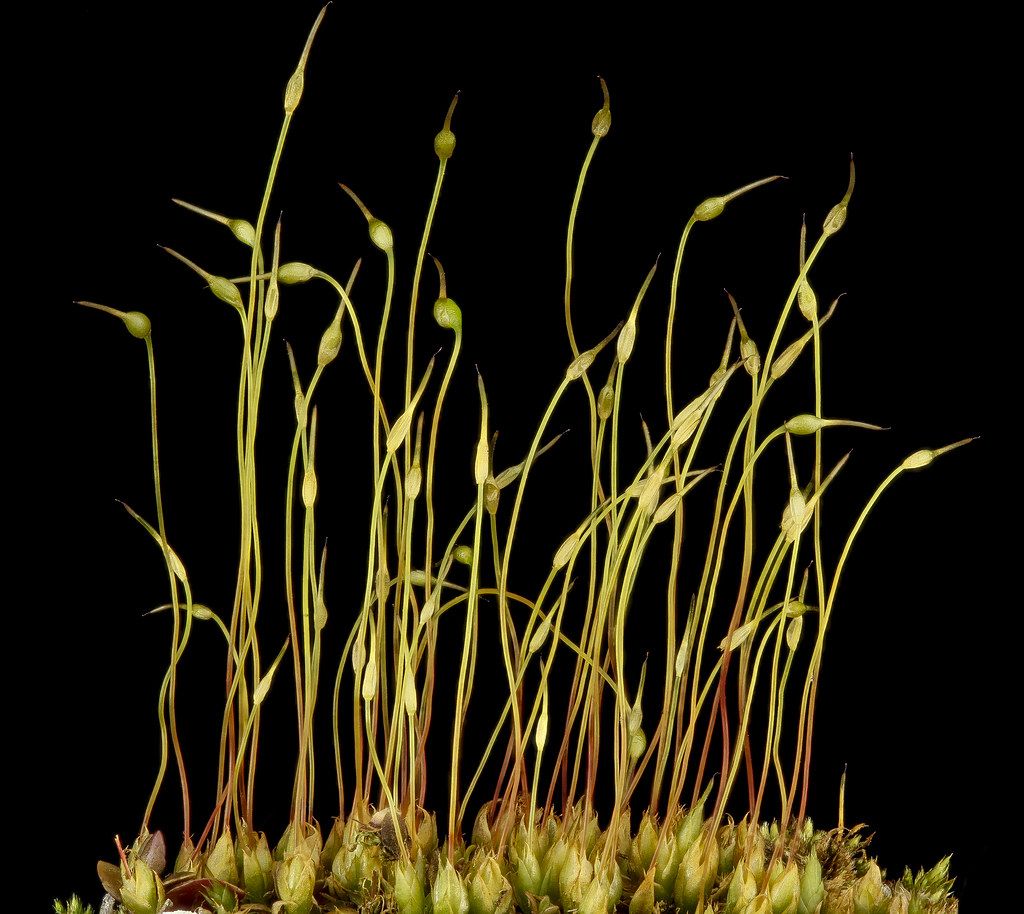
Live moss is exactly that — a living plant that photosynthesises, spreads and greens up over time. It needs bright indirect light, humidity and gentle moisture, all of which a closed terrarium supplies, which is why live moss is the star of most builds. Cushion moss, sheet moss and mood moss are the common types; our best moss guide breaks down which does what. Buy it fresh and green, and press it firmly onto the substrate so it takes hold.
See live terrarium moss on Amazon →Preserved moss: decoration, not a plant
Preserved moss is real moss that's been harvested and treated — usually with a glycerin solution — so it stays soft and green indefinitely. But it's no longer alive: it won't grow, won't spread, and doesn't need light or water. That makes it brilliant for dry decor — moss walls, picture frames, open bowls, craft projects — where you want the look of moss with zero upkeep. It is a material, not a plant.
See preserved moss on Amazon →The mistake that ruins builds
Here's the trap: preserved moss in a closed terrarium. A sealed jar is warm, humid and wet — perfect for growing mold on dead organic matter. Preserved moss can't use that humidity, so it just soaks, darkens and eventually mildews, often taking the rest of your build with it. If a listing says "preserved," "stabilized," or "no maintenance / no light needed," it does not belong in a sealed, moist container.
So which do you need?
For a closed, living terrarium — the kind you water once in a blue moon and watch grow — use live moss. For a dry, decorative piece with no humidity and no upkeep — a moss frame, an open shelf display — use preserved moss. The deciding question is simple: is there humidity and light, and do you want it to grow? Yes to both means live; no means preserved.
Can you mix them?
In an open, low-humidity arrangement you can combine preserved moss with other dried elements freely. But don't mix preserved moss into a live, closed setup hoping to "fill gaps" — it'll rot while the live moss thrives around it. If you want more green fast in a live build, use more live moss and give it time, or follow the moisture and light routine in our moss terrarium care guide.
A simple rule to remember
Live moss lives — light, water, growth. Preserved moss is finished — pretty, permanent, and strictly dry. Match the moss to the job and neither will surprise you. Ready to build? Our closed terrarium guide uses live moss from the first layer up.
When buying live moss, check that it's sold fresh for terrarium/vivarium use; when buying preserved moss, remember it's decorative only and should stay out of sealed, humid builds.