
Feeder Insects Compared: Crickets, Dubia & Mealworms
The staple feeder you settle on shapes your animal's nutrition, your weekly routine, and how your reptile room smells. Here's how the common options actually stack up.
Some links below are affiliate links. We may earn a commission from qualifying purchases at no extra cost to you. Read our disclosure.
For an insect-eating reptile or amphibian, the feeder is the diet. Choosing a staple isn't about which bug is "best" in the abstract — it's about nutrition per feeder, how easy they are to keep alive, whether they escape, smell, or make noise, and what your animal will actually chase. This guide compares the common feeders so you can pick a staple and treat the rest as variety.
Crickets: the default staple
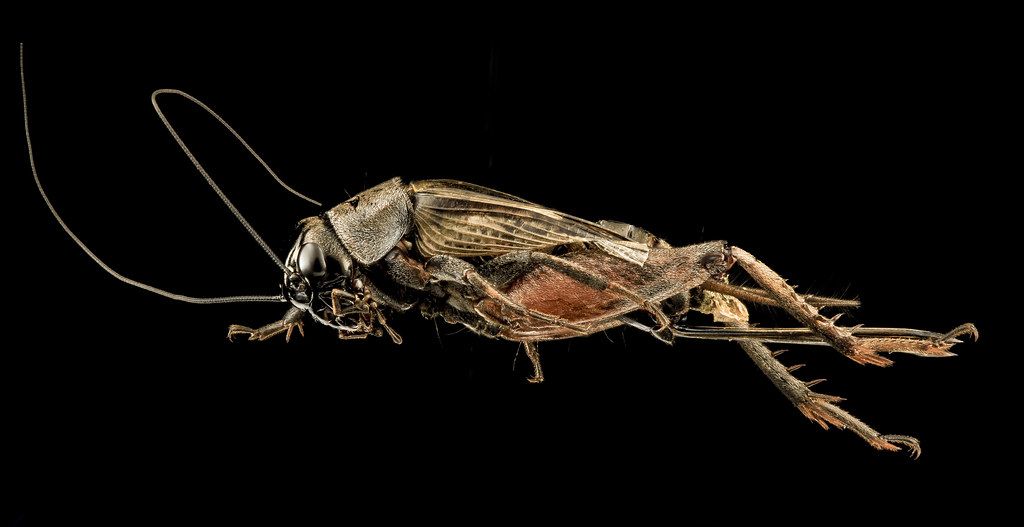
Crickets are cheap, available at any pet shop, and their fast, erratic movement triggers a strong feeding response — which matters for animals that only strike at moving prey. The downsides are real, though: they smell, they're noisy, they die easily in the tub, and escapees can hide in a room for weeks. Good nutrition when gut-loaded, but the most high-maintenance feeder to keep alive.
See live crickets on Amazon →Dubia roaches: the low-maintenance workhorse
Dubia have quietly become the staple of choice for many keepers, and it's easy to see why: they're nearly odourless, silent, can't climb smooth walls or fly, and live for months in a simple bin — so a single order lasts. They also carry more meat and protein per insect than a same-size cricket. The catch is a higher upfront cost and slower breeding, and they don't skitter the way a cricket does, so a few animals ignore them at first.
See dubia roaches on Amazon →Mealworms & superworms: convenient, but not a sole diet
Mealworms store for weeks in the fridge and need almost no care, which makes them the easy option — but they're fatty and heavy on hard chitin relative to their nutrition, so they suit a varied diet rather than a staple. Superworms are the larger, softer, more active cousin, better at triggering a feeding response but even richer, so they're best as an occasional item. Neither should be the only thing on the menu.
See mealworms & superworms on Amazon →Soft-bodied treats: BSFL, hornworms and silkworms
Beyond the staples, a few specialty feeders earn a place as variety or for specific needs. Black soldier fly larvae (sold as calciworms or phoenix worms) are naturally high in calcium, which is a genuine plus for growing or gravid animals. Hornworms are big, soft and hydrating — great for a picky or dehydrated eater — while silkworms are soft and highly digestible. All are pricier and shorter-lived than staples, so treat them as the side dish, not the main.
See calciworms & hornworms on Amazon →Nutrition is what you add, not just what you buy
No feeder is complete on its own. Whatever you choose, the nutrition comes from gut-loading (feeding the feeders well for a day or two before offering them) and dusting with calcium and vitamins. Whether your calcium needs added D3 depends on your lighting — animals under proper UVB make their own, as our lighting guide explains. The tongs, dishes, keepers and supplements to do all this are covered in our feeding supplies guide.
Matching the feeder to your animal
Two rules cover most situations. Size: no feeder should be larger than the gap between the animal's eyes, or you risk choking and impaction — buy feeders sized to your animal's age. Variety: even a good staple is better rotated with a second feeder, so no single nutritional gap goes unfilled. A newly-arrived animal that isn't eating yet is usually just settling in; our quarantine guide covers what's normal in the first weeks.
A sensible feeder plan
For most insectivores: pick dubia or crickets as the gut-loaded, dusted staple, keep mealworms or superworms on hand as an occasional item, and add a soft-bodied treat like hornworms or calciworms now and then for variety and hydration. Get the staple and the supplement routine right, and the rest is seasoning.
Feeder choice, size, frequency and supplement schedule vary by species and age — always check a current care sheet for your animal before settling on a routine.